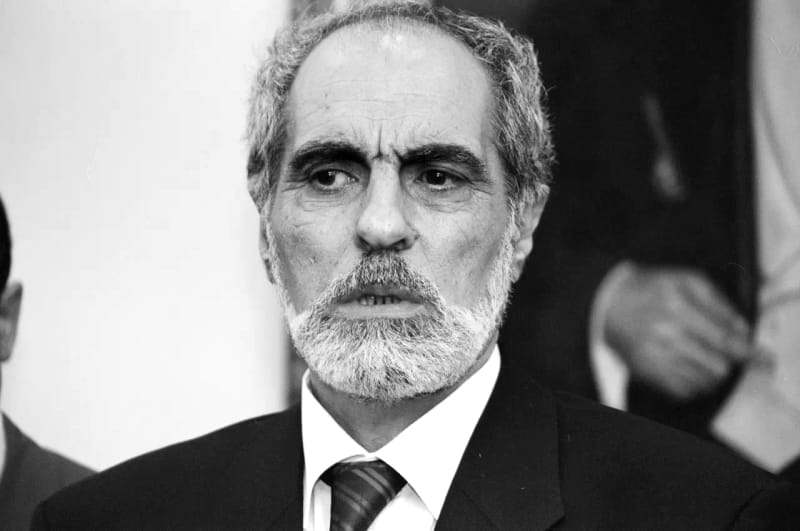
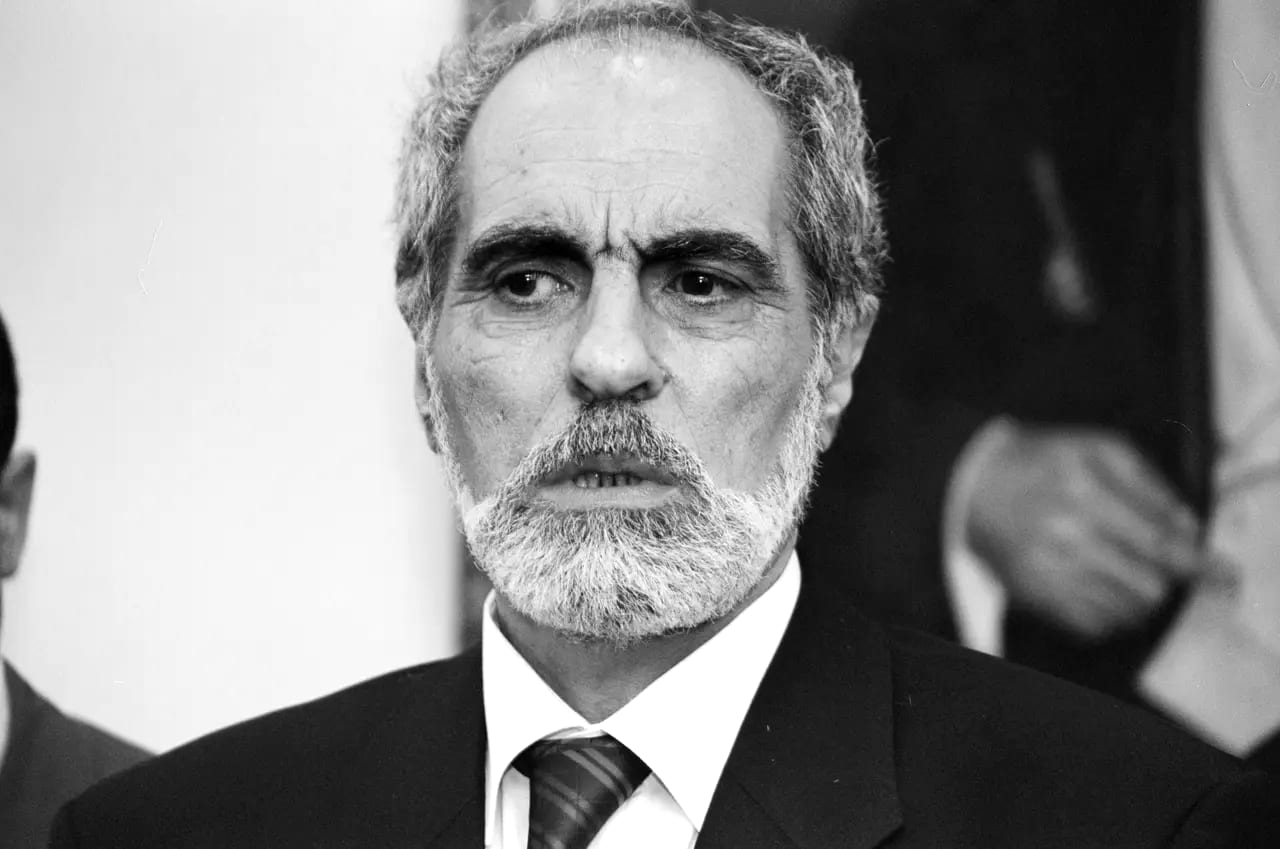
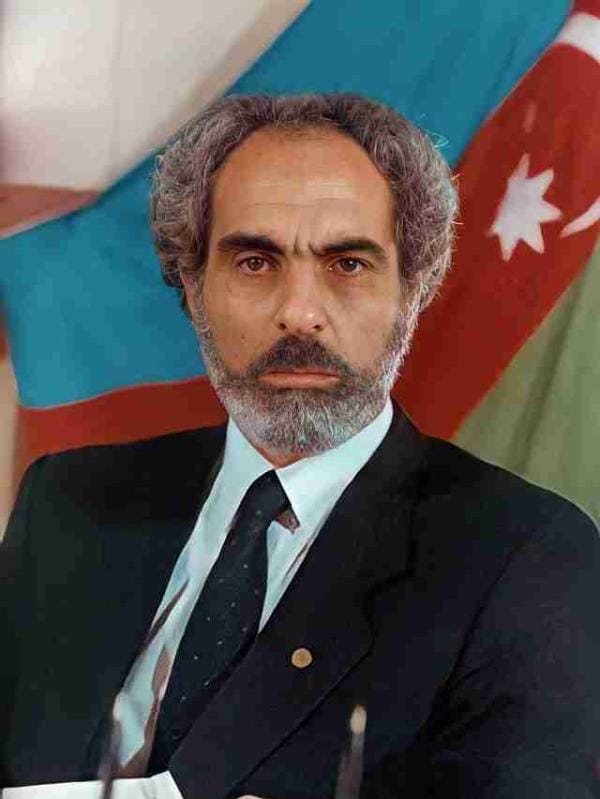
Leader of Azerbaijan's National Independence Movement
Second President of the Republic of Azerbaijan
He grew up on the epics of Dede Korkut in the village of Kalaki, Nakhchivan. He studied Arabic philology, worked as an interpreter in Egypt and wrote his doctoral thesis on the Tulunid state. In 1975 he was thrown into a Soviet prison on charges of “nationalism”.
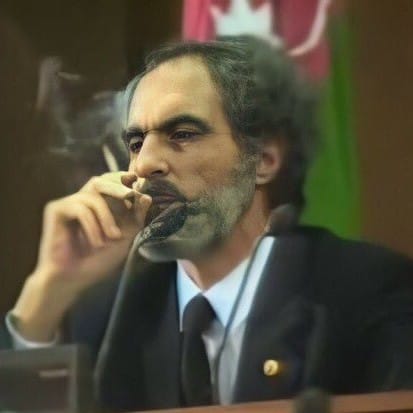
Fifteen years later he stood in the squares with millions as chairman of the Azerbaijan Popular Front. On 7 June 1992 he was elected President with 59.4% of the vote, and led a government that sent Russian troops home, issued a national currency and returned to the Latin alphabet.
When the Ganja revolt threatened to set brother against brother, he chose his nation over his office: he left the capital and withdrew to his village. All his life he called himself “a soldier of Atatürk”, and on 22 August 2000 he passed away in Ankara, capital of the Türkiye he loved so dearly.
On 24 June 1938, on the Khalil Yurdu summer pasture of Kalaki village in Nakhchivan, Mehrinisa Khanum bore Gadirgulu Bey his second son. Mir Yahya, whom the villagers called “dede” and who had studied religion in Karabakh, Nakhchivan and Tabriz, named the boy “Abulfaz” in honour of Abu'l-Fadl Abbas, son of Ali.
His father's family came from South Azerbaijan and descended from a line that had held high office under the Safavid state. His mother's family, the “Gasimlis”, were of Anatolian origin. His mother Mehrinisa Khanum (1889–1987) was born in Pirdavdan and had fled Armenian persecution with her brother to take refuge in Kalaki.
Gadirgulu Bey left for the Second World War in 1943 and never came back. Fatherless at five, Abulfaz grew up in poverty. In the evenings the tales of Dede Korkut and the epic of “Malik Mammad” were told at home, and the festivals of Eid al-Adha, Ramadan and Novruz were celebrated.
“I received my Muslim-Turkic culture from my mother, from my father's hearth and from my village.”Recalling his childhood
With no school in Kalaki, he started school at eight in the neighbouring village of Unus. In 1955–57 he attended Ordubad Secondary School No. 1, counted among the best in Nakhchivan. Determined to read Nizami, Khaqani and Fuzuli in depth, he passed the entrance exams and in 1957 began studying Arabic philology at the Faculty of Oriental Studies of Azerbaijan State University.
In his second and third years he and a circle of friends were drawn into impassioned national debates. Their conclusion was plain: their people were captive and their homeland a colony. Together with Malik Mahmudov he drafted a programme known to only five people.
In 1963–64 he worked as an interpreter in Egypt. In Luxor, in the delegation that received Khrushchev, Nasser and other heads of state, he shook hands only with Algerian leader Ahmed Ben Bella and the great singer Rashid Behbudov, keeping his hand in his pocket when the others arrived. He was investigated for it.
On his return he set about building a secret network of cells of three, five and seven. In 1969, under the supervision of his teacher Ziya Bunyadov, he defended his thesis on “The Tulunid State” and went on to teach Asian and African history at the university.
In the late 1980s came first the Chanlibel Society, a scholarly circle, and then, on 26 October 1988, the Varlig Society. As Armenia's territorial claims on Nagorno-Karabakh flared, history and literature were set aside. Inspired by the popular fronts of the Baltic states, the Azerbaijan Popular Front elected Elchibey its chairman in 1989.
“…The fault lies with the leadership appointed from Moscow; Azerbaijan has lost its independence.”Rally of 22 November 1988
On the night of 20 January 1990 the Soviet army stormed Baku; more than a hundred civilians were martyred in the Black January massacre. The Popular Front's leaders were arrested and the movement went underground. By spring Elchibey was back in the squares.
On 23 August 1991, after a speech demanding the dissolution of the Communist Party, he was beaten by plain-clothes agents. Independence was declared that same year, and Elchibey told the crowds surrounding parliament: “We have won our independence in law; from now on our struggle is for real independence.”
After the Khojaly genocide, Mutalibov resigned; his attempt to return in May 1992 ended when the Popular Front filled the squares. Elchibey, at first unwilling to stand, gave in to the appeals and was elected President on 7 June 1992.
Dramatisation; not a genuine archival document. “Məxfi” means “classified”.
In 1971–74 student activism was gathering pace at the university. The KGB knew an organisation existed but could not expose it, so informers posing as lecturers and students were planted around Elchibey.
He was arrested in January 1975 and held until July 1976. Years later he would recall those days:
“I felt no hatred for any lecturer or student, not even for the agents. I had only one enemy: the Soviet Empire. The rest were its wretched servants.”
After his release he worked at the Institute of Manuscripts of the Academy of Sciences. Once the parliament building of the 1918 Republic, it would fourteen years later become the stage for the most symbolic moment of his life.
Two tears of joy fell from my eyes and my hands trembled.
In Soviet times the parliament building of the Azerbaijan Democratic Republic, founded in 1918, served as the Institute of Manuscripts. Exactly 70 years after the Red Army had lowered it, the honour of raising the tricolour, crescent-and-star flag over the same roof fell to Abulfaz Elchibey.
“A flag once raised will never fall!”Mammad Amin Rasulzade · founder of the 1918 Republic
| 193824 June | Born in KalakiBorn on the Khalil Yurdu summer pasture of Kalaki village in the Ordubad district. | Kalaki |
| 1943 | Loses his fatherHis father Gadirgulu Bey left for the Second World War and never returned. | Kalaki |
| 1957 | UniversityAzerbaijan State University, Faculty of Oriental Studies, Arabic philology. | Baku |
| 19631963–64 | EgyptWorked as an interpreter and saw the world of politics at close quarters. | Egypt |
| 1969 | DoctorateDefended his thesis on “The Tulunid State”. | Baku |
| 1975January | ArrestArrested on charges of “nationalism”; released in July 1976. | Baku |
| 1977 | Institute of ManuscriptsBegan work as a researcher at the Academy of Sciences. | Baku |
| 198826 October | Varlig SocietyFounded under his leadership, following the Chanlibel Society. | Baku |
| 1989 | Popular Front chairmanElected chairman of the Azerbaijan Popular Front. On 31 December the border fences along the Araz were torn down. | Baku · Araz |
| 199020 January | Black January massacreThe Soviet army stormed Baku and killed civilians; the Popular Front's leaders were arrested. | Baku |
| 199028 May | The flag flies againRaised the tricolour over the Republic's historic parliament building, 70 years on. | Baku |
| 199118 October | IndependenceThe Constitutional Act on State Independence was adopted; in December's referendum the people said “yes”. | Baku |
| 19927 June | PresidentElected with 59.4% of the vote; sworn in on 16 June. | Baku |
| 199215 August | The manatThe national currency entered circulation. | Baku |
| 1992October | Moscow TreatySigned a Treaty of Friendship, Cooperation and Mutual Security with Boris Yeltsin. | Moscow |
| 199326 May | Russian troops leaveAfter 73 years, Russian troops left Azerbaijani soil. | Azerbaijan |
| 19934 June | Ganja revoltThe units of Colonel Surat Huseynov marched on Baku. | Ganja |
| 1993June | Withdraws to KalakiLeft Baku to avert civil war and stayed in his village for 4 years and 4 months. | Kalaki |
| 199730 October | Return to BakuLed the opposition at the head of the Popular Front Party. | Baku |
| 1998 | Election boycottBoycotted the presidential election with the opposition, judging it unfair. | Baku |
| 200022 August | DeathDied in Ankara, where he was being treated; buried in the Alley of Honour in Baku. | Ankara · Baku |
When he took office there was not a single rouble in cash in the treasury and salaries had gone unpaid for four months. Elected with 59.4%, Elchibey faced war, inflation and armed units beyond his control.
As historian Audrey Altstadt has stressed, the lands occupied by Armenia and the hundreds of thousands of our kin driven from their homes, slow talks with foreign oil companies and a still-powerful Russian influence formed the backdrop of this period. Even so, the steps taken within a single year laid the foundations of many of independent Azerbaijan's core institutions.
Under an agreement with Russia, Russian troops left Azerbaijan on 26 May 1993, after 73 years and without bloodshed. Azerbaijan was the first former Soviet state to achieve this.
SovereigntyPrinted in France, the manat entered circulation on 15 August 1992. One manat equalled ten roubles; a year later the rate had slipped only to 1:9. The cash shortage was overcome and salaries could be paid.
EconomyThe move from Cyrillic to the Latin alphabet gathered speed, and official correspondence was to be conducted in Turkic and in Latin letters. In 1992 the state language was named the “Turkic language”.
CultureLaws on political parties, the press and civic associations were passed. Newspapers and magazines exceeded 500; more than 30 parties and nearly 200 associations were registered.
DemocracyA State Property Committee, an Antimonopoly Committee and a Foreign Investment Committee were created. The National Bank's foreign reserves rose in one year from 1.6 million to 156 million dollars.
EconomyThe UN opened its Baku office and embassies were established in 15 countries. Agreements were signed with Türkiye, Georgia, Ukraine, Kazakhstan, Turkmenistan and Moldova.
DiplomacyThe idea of bringing Azerbaijani oil to world markets through Türkiye took shape in this period; the political foundations of the Baku–Ceyhan pipeline were laid together with Türkiye.
EnergyMultiple-choice entrance exams were introduced for universities, and hundreds of young people were given the chance to study abroad.
EducationEthnic communities were granted the right to keep their cultures alive: nearly thirty cultural centres were founded in Baku and newspapers in minority languages were supported.
SocietyArmed with weapons Russia left behind as it withdrew, Colonel Surat Huseynov launched a revolt in Ganja on 4 June 1993. On the brink of civil war, Elchibey chose not to resist by force of arms; he left the capital and withdrew to the village where he was born.
He continued to regard himself as the lawful President elected by the people. Each stroke beside this text marks one day spent in Kalaki.
Red line: the Araz river. Click a place and the map will fly there.
He saw the Soviet Union as a colonial order that held Azerbaijan back. Independence in law was, for him, only the beginning: “From now on our struggle is for real independence.”
He dreamed of a multi-party democratic republic with a free press, and in his brief time in power tried to turn that dream into institutions through laws on parties, associations and the press.
He championed the unity of North and South Azerbaijan. One of his greatest wishes was to see the flag of Azerbaijan fly in Tabriz. “The greatest ideal of the people of Azerbaijan is to unite.”
He believed the road to the ideal of Turan ran through a united Azerbaijan, and saw brotherhood with Türkiye, a common language and a common alphabet as the foundation of that ideal.
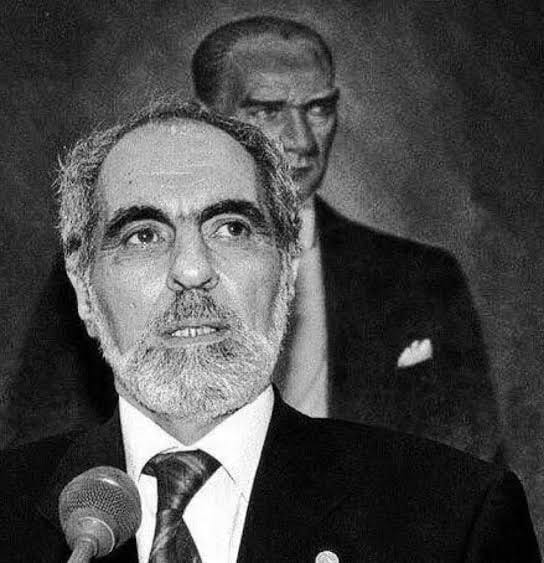
“Mən Atatürkün əsgəriyəm.”I am a soldier of Atatürk.
Elchibey repeated these words at every opportunity. They were no mere courtesy; they summed up a life and were an oath in themselves. In the years when the Soviet order tried to cast the very name “Turk” into shadow, Atatürk was for him the living example of a nation marching from captivity to independence. Echoing through the squares of Azerbaijan in the 1990s, the words “I am a soldier of Mustafa Kemal” became, through his devotion, the slogan of a nation.
“I suffered much torture; they put me through a great deal. None of it grieves me. But I had an Atatürk badge on my lapel, and they took it from me; that is what grieves me.”
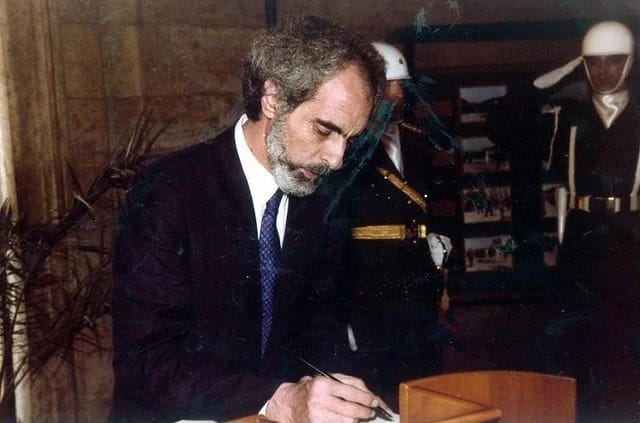
When he came to Türkiye as President, elected by the votes of the people of Azerbaijan, he paid his respects to Atatürk. He laid a wreath at Anıtkabir, stood in silence and wrote these lines in the memorial book:
“O great commander of the great Turk, in visiting you I have felt honoured on my own behalf and on behalf of my whole nation.”
“There are no words left to say. You said the finest of all: How happy is the one who says ‘I am a Turk’!”
Lines from the memorial book as reported in the press.
These words, expressing the brotherhood of Türkiye and Azerbaijan, later became the shared motto of the two countries. For Elchibey, Türkiye was not a foreign-policy file but the other hearth of the same nation. He dreamed of going one step beyond brotherhood: two states under a single roof.
Türkiye was the first state in the world to recognise Azerbaijan's independence. The brotherhood of the two states became official.
The state language was named the “Turkic language” and the return to the Latin alphabet gathered pace. A shared alphabet was the first step to a shared future.
The idea of carrying Caspian oil to the world through Türkiye became state policy, together with Ankara, during Elchibey's term.
He passed away in Ankara at the Gülhane Military Medical Academy, where he was being treated. His body was sent home to Baku from the brother capital.
“Türkiye and Azerbaijan must unite.”
We have won our independence in law. From now on our struggle is for real independence.
“My work was the struggle against a cruel empire.”
“A popular front cannot be created by proclamation; people from every walk of life must come together to build it.”
“The greatest ideal of the people of Azerbaijan is to unite.”
“The tales of Dede Korkut were often told in our home. I heard many legends from my mother.”
“Two tears of joy fell from my eyes and my hands trembled.”
“We said we should first form a scholarly society. Of course, there was a political purpose behind it too.”
“I had only one enemy: the Soviet Empire.”
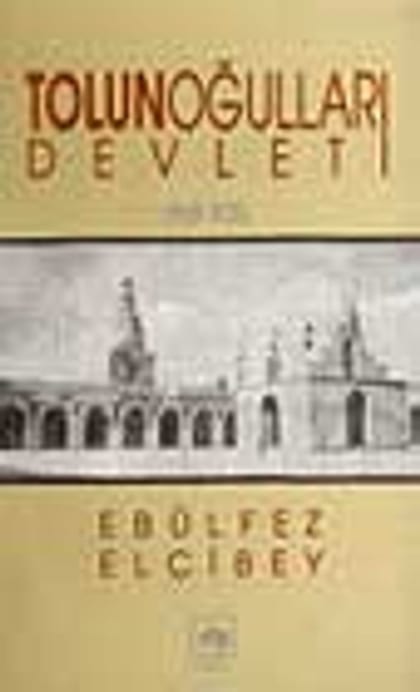
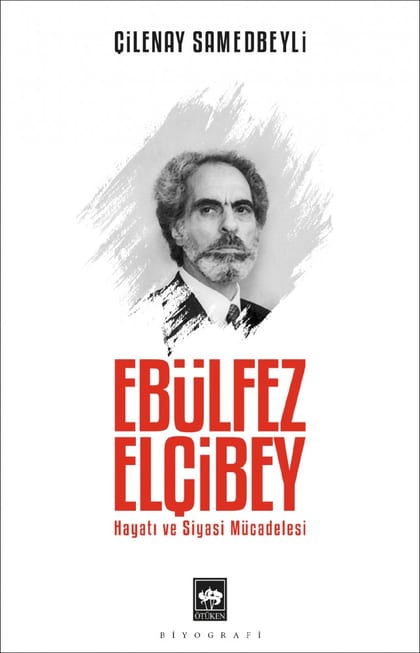
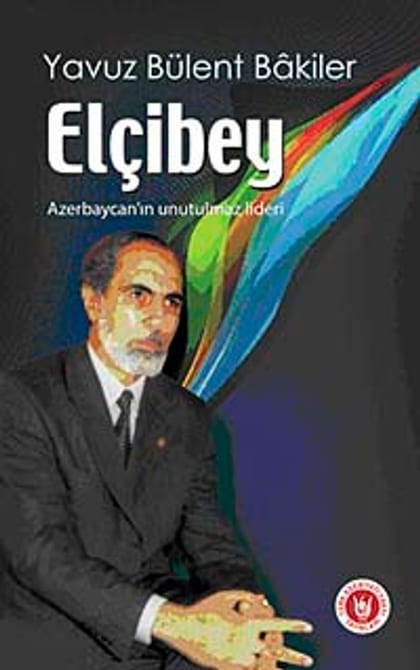
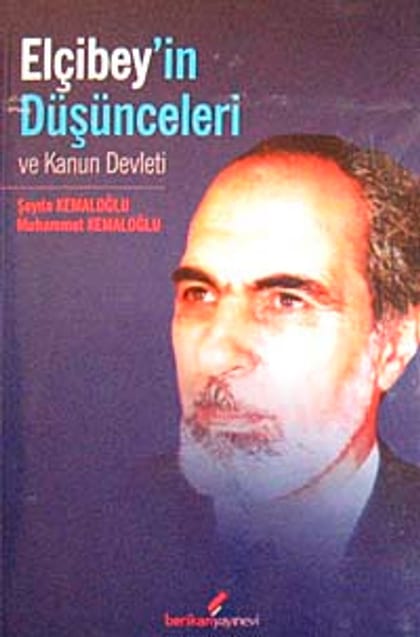
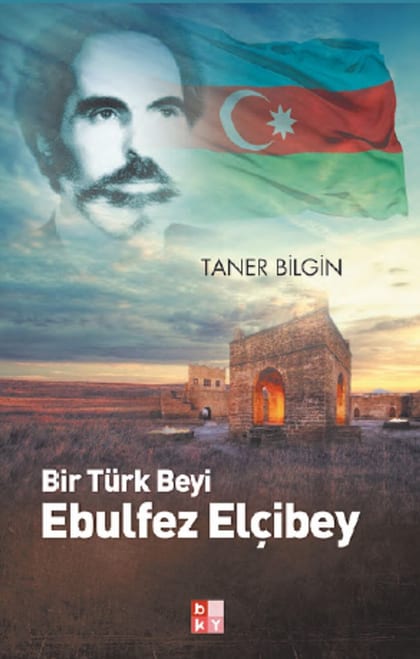
A scholarly path that began with Arabic philology and medieval Islamic history was completed by the political writings of his years of struggle. His speeches and articles were collected after his death. All books listed here are in Turkish or Azerbaijani.
Brought home from Ankara to Baku, he was laid to rest in a ceremony attended by hundreds of thousands. For hours the crowd called out “Elchibey!”
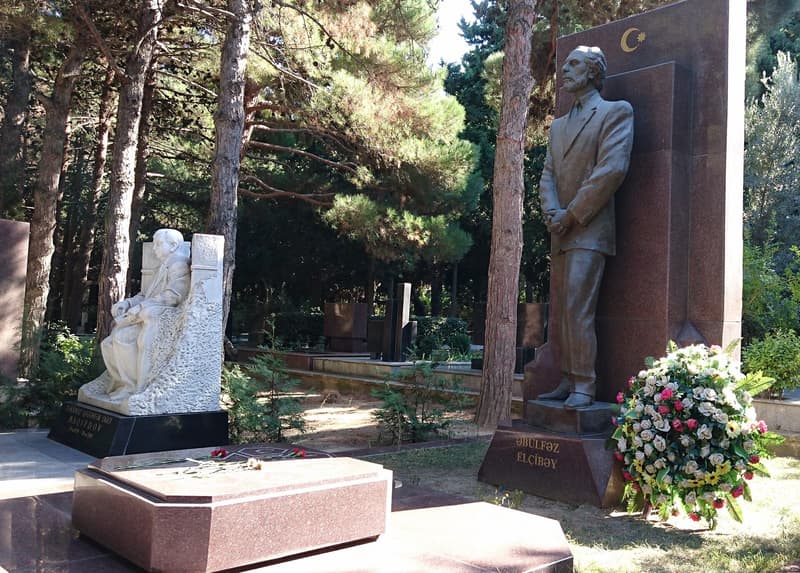
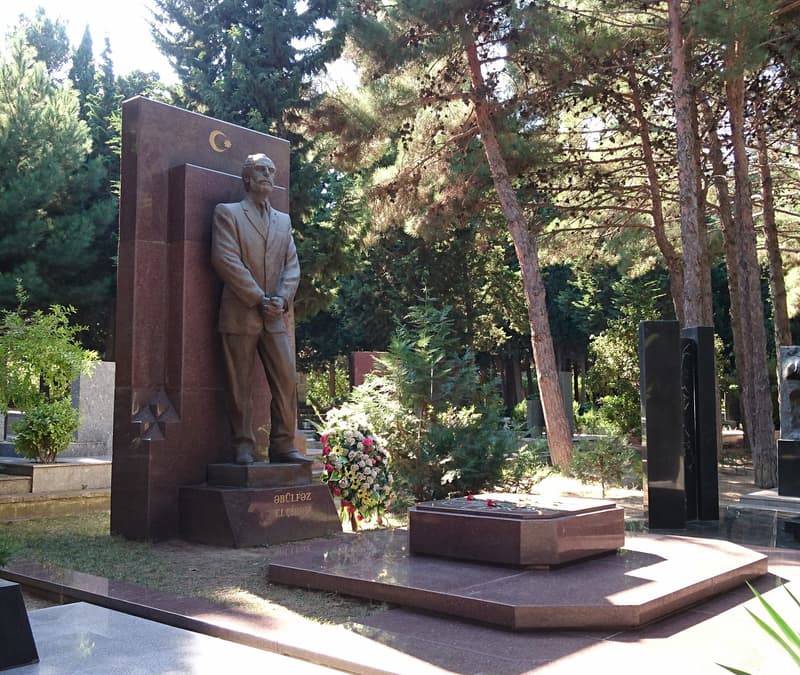
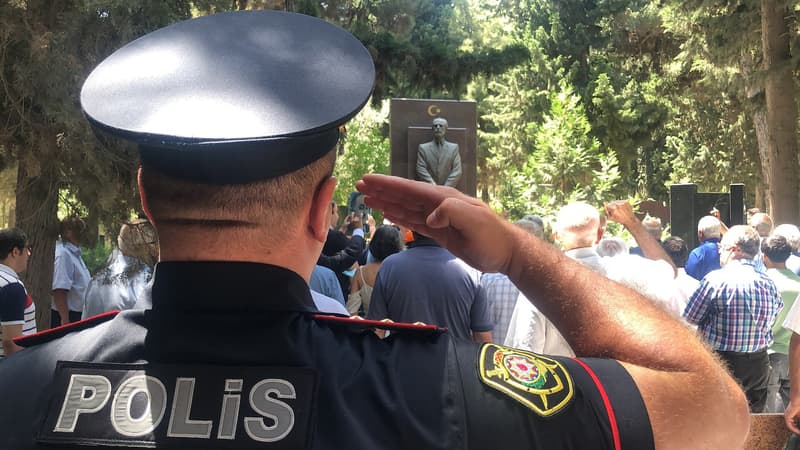
He lies in Baku's Alley of Honour, beneath the crescent and star of the flag, his bronze statue standing with hands clasped before him.
Flowers fill the ground before his monument and the national anthem is sung. The ideas of independence, democracy and the unity of the Turkic world still carry his name.
Karabakh, occupied by Armenia during Elchibey's presidency, was liberated in the 44-day Patriotic War of 2020. On 8 November 2020 the flag of Azerbaijan flew again over Shusha, and in September 2023 Azerbaijan restored its sovereignty over the whole of Karabakh. This victory, in which Türkiye stood by its brother, was the strongest answer to Elchibey's faith in “one nation, two states”.